
New initiatives putting glycoscience on the map
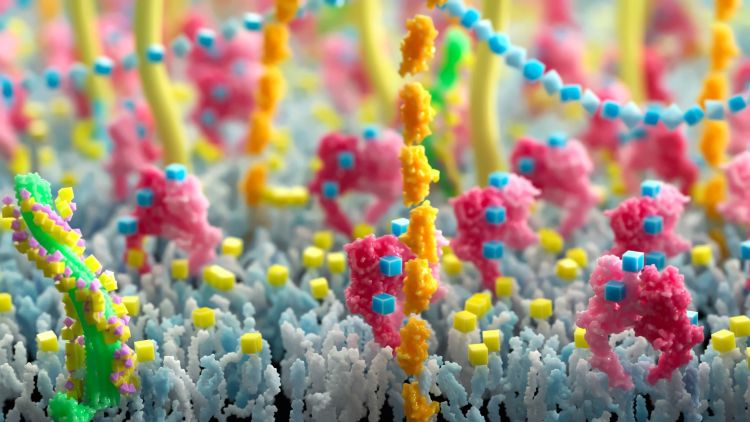
Glycoscience, the ‘science of carbohydrates’, sits at the crossroads of chemistry, biology and physics, shaping how we understand everything from drug design to new materials.
Two new initiatives have recently launched that aim to build the glycoscience momentum both in the UK and across Europe.
What is glycoscience?
We tend to think of sugars as the thing we put in coffee, or the stuff in our diet that is ‘bad for us’. But in scientific terms sugars, or carbohydrates, are some of the most important molecules in living organisms.
Every cell in the human body, for example, produces complex sugar-based molecules called glycans, which are essential for a wide range of complex biological processes.
Glycobiology became an established field in the late 1980s, helping to fuel today's broader interest in glycoscience. This is now a growing area of interest not only for biologists and chemists, but for physicists too. And as new technologies help researchers understand glycans better, there are increasing opportunities to apply them to today’s complex scientific challenges.
Ralf Richter, Professor in Physical Chemistry of Biological Systems, said:
Glycans are intriguing! They are fundamental to life itself, from fertilisation, the very beginning of life, through to development, immune and nervous system functions, and the intricate processes of cellular communication and signalling.
“Yet, our understanding of how glycans perform their myriad of functions remains remarkably limited. We know what they are but we are only just beginning to decipher their language. By bringing together researchers from different disciplines, institutions and countries, glycoscience offers an excellent opportunity to unlock this hidden layer of biology and transform our understanding of health and disease.”
The UK has a strong track record in glycoscience research, yet compared to other areas of biology, it remains relatively underexplored. Researchers at Leeds are working to change that, leading local, UK-wide and European initiatives to give glycoscience a much stronger position within the field.
Read the full article on the Faculty of Biological Sciences website.